Wearable Sensor Insights Revealing Biometric Patterns That Refine Cross-Discipline Selection Strategies in Professional Athletic Events
Dana Sullivan · Jul 24, 2026
Wearable Sensor Insights Revealing Biometric Patterns That Refine Cross-Discipline Selection Strategies in Professional Athletic Events
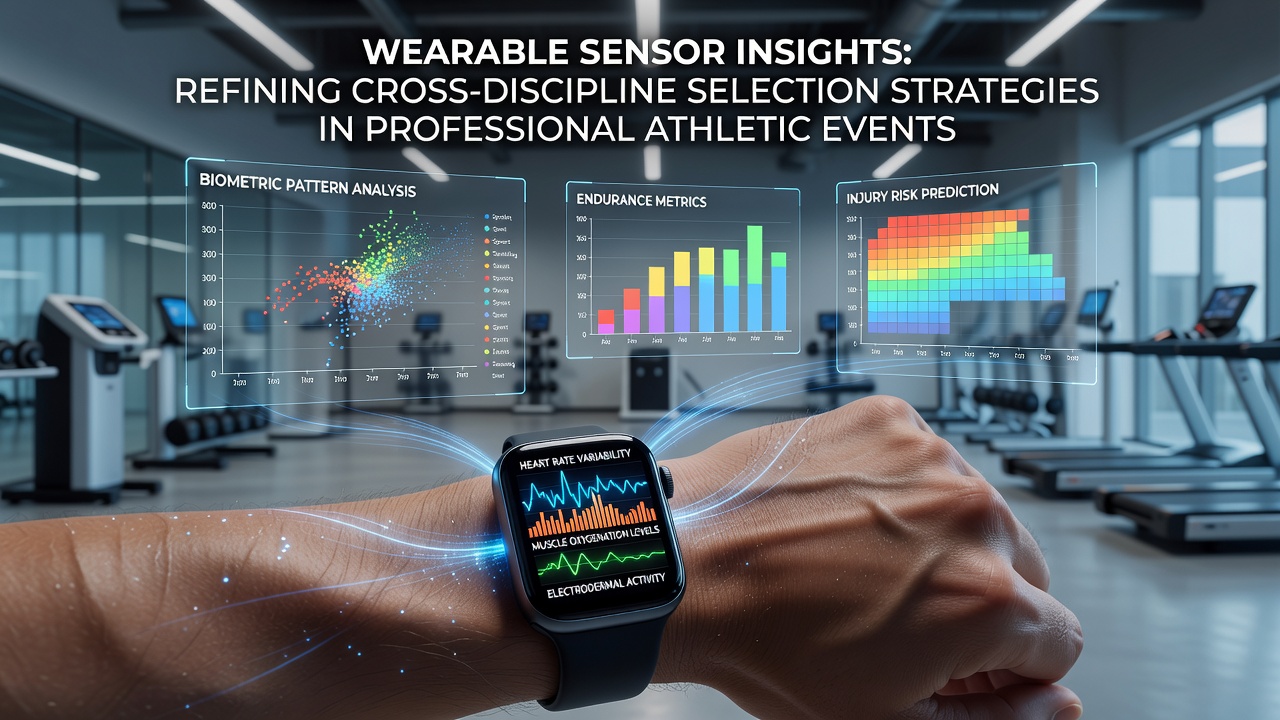
Professional sports organizations now rely on wearable sensor data to map biometric patterns across disciplines, and these tools track heart rate variability, muscle oxygen saturation, and movement kinematics in real time. Researchers at institutions such as the Australian Institute of Sport have documented how continuous monitoring during training cycles reveals recovery timelines that vary between endurance runners and court-based athletes, allowing selection committees to align physiological profiles with event demands.
Core Biometric Metrics Captured by Current Wearables
Sensors embedded in garments and devices measure parameters including acceleration forces, core temperature fluctuations, and respiratory rate during high-intensity intervals. Data collected from elite training camps shows that athletes who maintain stable lactate thresholds across repeated bouts demonstrate stronger adaptability when transitioning between running and cycling protocols. Observers note that these metrics integrate with GPS-derived workload volumes to produce individualized baselines, and selection panels use the resulting profiles to identify candidates whose physiological signatures match the mixed demands of combined events scheduled for July 2026.
Pattern Recognition Across Athletic Disciplines
Studies conducted by European sports science consortia indicate that neuromuscular fatigue signatures detected through electromyography sensors appear earlier in swimmers than in rowers under equivalent training loads. Teams analyzing these differences apply machine-learning models to cluster athletes into performance archetypes, and the clusters help refine shortlists for multi-discipline squads. One documented case involved a group of middle-distance specialists whose sensor-derived sleep efficiency scores predicted better retention of power output when tested on both track and velodrome surfaces.
Integration with Performance Databases
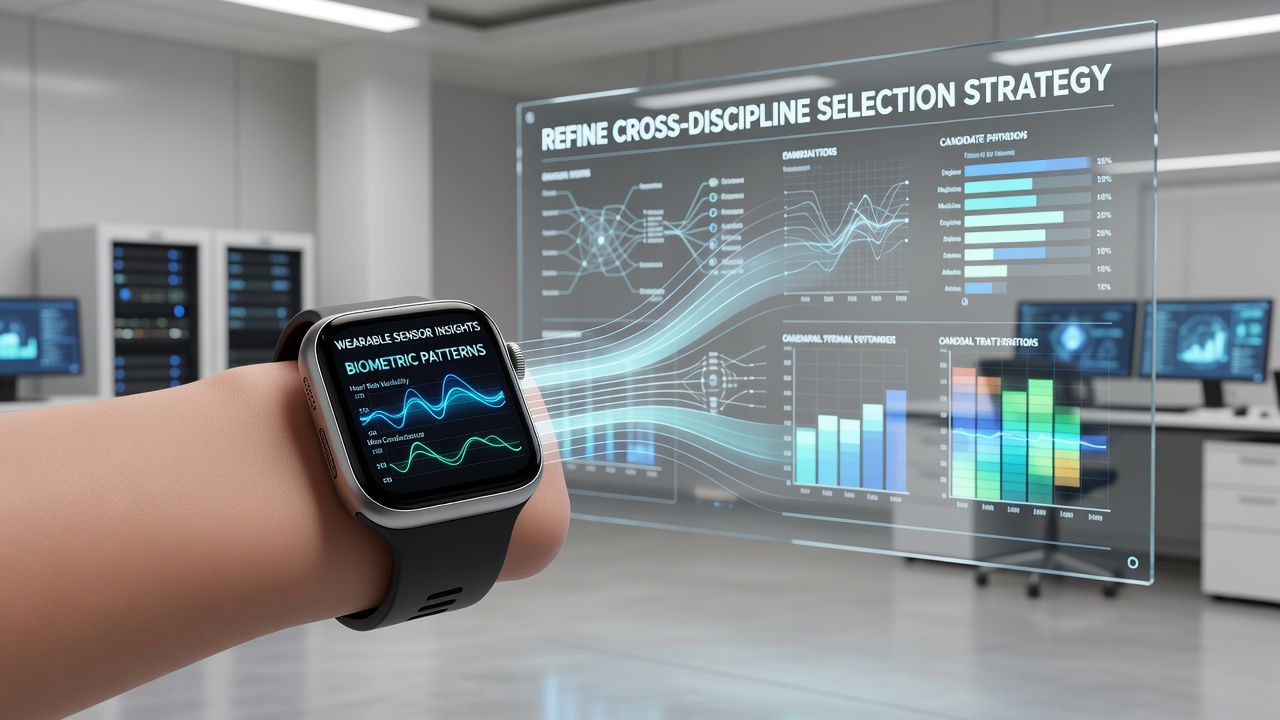
National governing bodies feed sensor outputs into centralized repositories that also store competition results and medical histories. Cross-referencing these datasets allows analysts to flag athletes whose biometric recovery curves align with upcoming event calendars, and the process reduces reliance on subjective scouting reports alone. Figures from Canadian Sport Institute Pacific reveal that athletes selected through this layered approach recorded fewer soft-tissue injuries during preparatory phases leading into major championships.
Application in July 2026 Event Preparation
With major multi-sport gatherings set for mid-2026, federations have accelerated sensor deployment during qualification windows. Heart-rate recovery data collected after simulated competition blocks now informs decisions on which athletes receive final roster spots in events that blend track, field, and aquatic components. Those overseeing selection note that patterns emerging from combined analysis of stride variability and stroke efficiency provide objective criteria for balancing team compositions across disciplines.
Challenges in Data Standardization
Differences in sensor calibration between manufacturers create inconsistencies when datasets from various sports are merged. International bodies such as the International Olympic Committee have issued guidelines encouraging uniform sampling frequencies and validation protocols, yet adoption remains uneven across national programs. Researchers continue to refine algorithms that normalize outputs from wrist-worn devices against chest-strap references, and progress in this area supports more reliable cross-discipline comparisons.
Future Directions for Sensor-Driven Selection
Advances in flexible sensor technology promise finer resolution of biomechanical loads at joint level, and early trials at university laboratories demonstrate potential for real-time feedback during mixed training sessions. Selection strategies are expected to incorporate these granular datasets as hardware costs decline and data-sharing frameworks expand. Evidence from ongoing longitudinal studies suggests that athletes whose biometric profiles show consistent adaptation across modalities maintain competitive edges through extended seasons.
Conclusion
Wearable sensor networks supply objective biometric layers that selection committees integrate with traditional performance indicators, and the resulting strategies support more precise matching of athletes to cross-discipline requirements. Continued refinement of data pipelines and validation standards will determine how broadly these tools shape professional athletic programs ahead of 2026 competitions.