Leveraging Sleep Pattern Analysis of Athletes to Forecast Performance Dips in International Football and NBA Games
Vera Roth · Jul 29, 2026
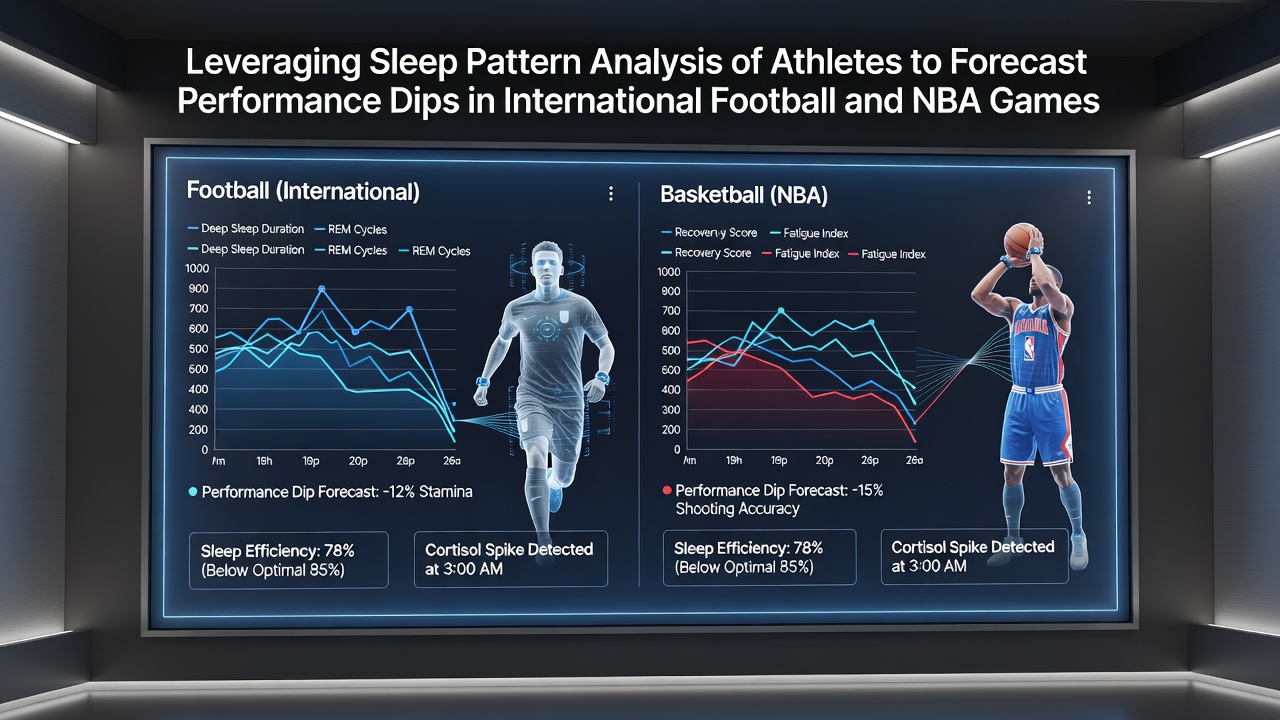
Leveraging Sleep Pattern Analysis of Athletes to Forecast Performance Dips in International Football and NBA Games
Researchers have examined connections between sleep cycles and athletic output for years, while advances in wearable technology now provide teams with detailed nightly data on duration, quality, and consistency that can signal upcoming dips in reaction time or endurance. International football squads and NBA franchises collect this information through devices that monitor heart rate variability and movement during rest, then compare patterns against match statistics to identify when players might underperform in speed or decision-making.
How Sleep Metrics Connect to On-Field Results
Studies conducted across multiple seasons show that athletes who average under seven hours of restorative sleep experience measurable declines in sprint recovery and cognitive processing during games, and data from professional leagues indicate these changes often appear two to three days after disrupted rest periods. Observers note that international football players traveling across time zones for qualifiers face additional challenges because circadian misalignment compounds the effects of reduced deep sleep stages, whereas NBA rosters encounter similar issues during back-to-back road games when hotel environments interrupt normal routines.
Teams integrate this information with existing performance tracking systems so that coaches can adjust training loads or rotation decisions before dips materialize in competitive settings. Figures from longitudinal monitoring programs reveal that consistent sleep tracking improves the accuracy of individual player forecasts by correlating specific variables like sleep efficiency percentages with metrics such as pass completion rates or defensive positioning errors.
Technology and Data Collection Practices
Wearable rings, wristbands, and under-mattress sensors gather continuous readings on sleep stages, and software platforms aggregate these into dashboards that highlight deviations from an athlete's established baseline. Analysts cross-reference the outputs with external factors including match schedules and travel distances, which allows them to flag periods when cumulative sleep debt might reduce explosive power or increase injury susceptibility in both football and basketball contexts.
One study published in the British Journal of Sports Medicine tracked elite athletes over an entire season and found that nights with fragmented REM sleep preceded statistically significant drops in high-intensity running distance the following match day. Similar monitoring in NBA environments has shown that players logging irregular bedtimes during playoff stretches record lower three-point shooting percentages and higher turnover counts compared with well-rested periods.
Application in International Football Schedules
Preparations for major tournaments, including the 2026 FIFA World Cup set for June and July, involve sleep protocols that help national teams manage jet lag and recovery windows between matches. Federations collect baseline data months in advance so that staff can predict when certain players might show reduced stamina during group stage fixtures or knockout rounds that follow extensive travel.
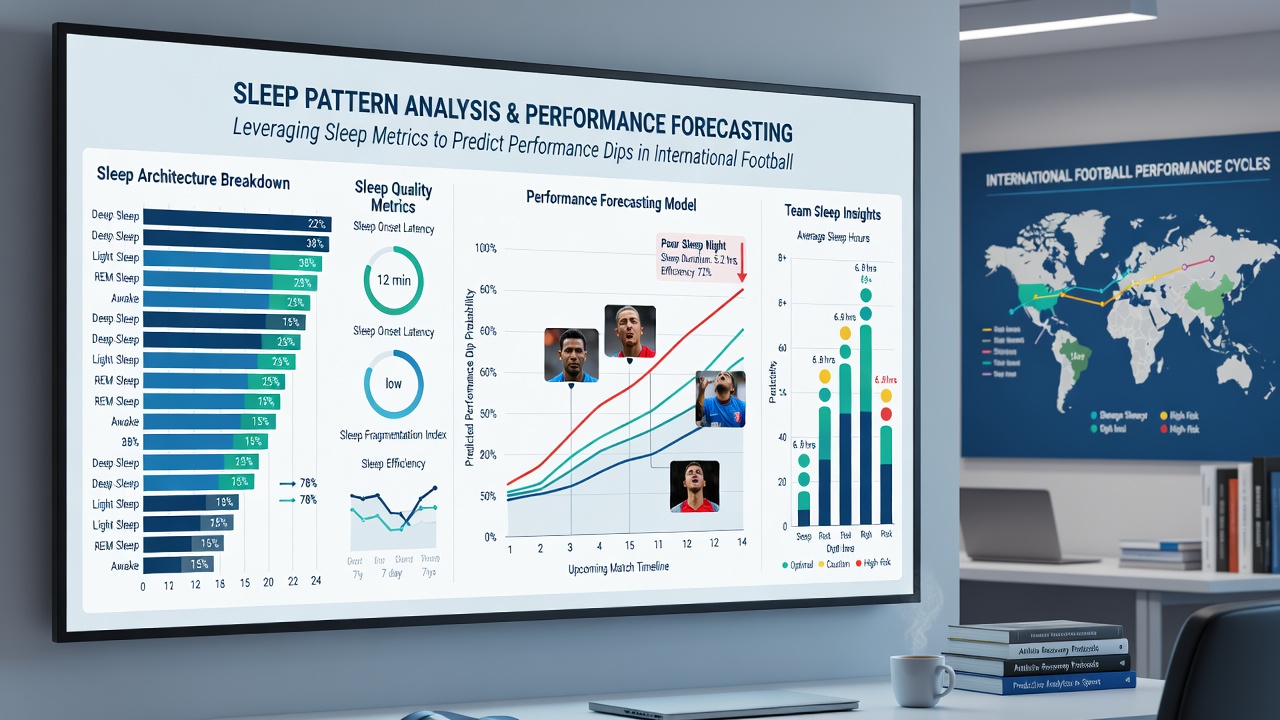
Clubs participating in UEFA competitions apply the same approach during congested calendars, where midweek European fixtures intersect with domestic league demands, and analysts note that sleep consistency scores often serve as leading indicators for dips in pressing intensity or set-piece execution. Data collected across multiple European leagues demonstrates that teams incorporating nightly sleep reviews into their planning reduce the frequency of late-game fatigue errors compared with those relying solely on traditional workload metrics.
NBA Roster Management and Sleep Insights
NBA organizations have expanded their sports science departments to include dedicated sleep specialists who review data streams from players across the 82-game schedule plus playoffs. Patterns emerge when back-to-back games coincide with poor sleep efficiency, and statistical models link these instances to declines in defensive rating and rebounding percentages that affect game outcomes.
League-wide data sets reveal that younger athletes sometimes exhibit greater variability in sleep patterns during extended road trips, while veterans maintain steadier routines yet still register performance changes when total sleep time falls below individual thresholds. Front offices combine these observations with injury histories to refine minute restrictions or lineup choices before anticipated dips occur.
Forecasting Models and Future Integration
Statistical frameworks now blend sleep variables with traditional performance indicators to generate probability estimates for individual output in upcoming fixtures, and machine learning applications refine these predictions as more seasons of data accumulate. Researchers at institutions such as the National Institutes of Health continue to publish findings on how specific sleep architecture elements influence neuromuscular function, which teams translate into practical adjustments during training camps and in-season periods.
Both international football and NBA environments benefit when organizations maintain consistent data collection standards across seasons, because longitudinal records improve the reliability of dip forecasts and support targeted interventions such as adjusted travel itineraries or personalized wind-down protocols.
Conclusion
Sleep pattern analysis supplies objective markers that help forecast performance variations in high-level football and basketball, and continued refinement of monitoring tools promises greater precision in identifying at-risk periods before they influence match results. Teams that integrate these insights alongside existing analytics gain additional context for roster and tactical decisions across demanding international and league calendars.